
Last updated: October 2026
A vacant home in winter is at higher risk of frozen pipes and leaks, because nobody is there to notice a problem early. Before you leave a house, rental or vacation property empty this winter, keep the heat at 55°F or higher, protect exposed plumbing, decide whether to shut off the water, arrange regular checks, and add monitoring for the spaces you can’t see.
Why is a vacant home at higher risk in winter?

A vacant home presents the risks of a frozen pipe, water leak or heating problem going unnoticed. Cold weather introduces multiple challenges to a house or apartment left empty, whether it be a second home, a landlord’s vacant unit or an Airbnb or vacation rental between guests.
How can you protect a vacant home in winter?
A homeowner, landlord or rental host should consider both winterization and monitoring measures when preparing a vacant home for winter. Taking steps to reduce the likelihood of a water issue in the first place and having a way to be notified if one occurs can help reduce risks to the property.
Vacant home checklist: 9 steps before you leave
Use this list when preparing a vacant home, rental or vacation property:
Check the plumbing. Inspect exposed pipes, water supply lines and fixtures for signs of leaks or damage. Insulate vulnerable piping, particularly in unheated areas and near exterior walls.
Decide how to handle the water supply. For longer trips, some owners shut off the main water and drain the lines. Ask a plumber first, especially if the home has a fire sprinkler system or a boiler that needs water. Either way, make sure you know where the main shutoff valve is.
Keep the heat on if the water stays on. The Red Cross recommends keeping the heat at 55°F or higher when you’re away during cold weather. Never turn the heat off completely while there is water in the pipes.
Protect outdoor plumbing. Disconnect garden hoses and shut off or drain outdoor faucets ahead of time.
Check vulnerable areas. Basements, crawl spaces, garages, utility rooms and elsewhere around sinks and water heaters are good places to look.
Check the heating system. Ensure the heating system is operating correctly and make arrangements for system maintenance if there is a known issue.
Check your insurance requirements. Your policy may include rules for a vacant home. According to the Insurance Information Institute, some policies limit coverage when a home is left empty for a long time, so check your policy, or call your agent, before you leave.
Arrange someone to check the property. A trusted individual, property manager or maintenance professional can provide another physical inspection while the property is unoccupied.
Consider remote monitoring. Water and temperature IoT (sensors) provide another level of awareness in a vacant home when nobody is there.
Leak monitoring means using IoT (sensors) to detect a water or other monitored condition at specific risk points and send an alert when an issue is detected.
Landlords: vacant units between tenants
A vacant rental can present challenges unique to landlords, due to the time between when a tenant leaves and when another moves in. The property still has plumbing, appliances and heating equipment present, even if it is empty.
Before the unit becomes vacant, landlords should inspect areas around sinks, toilets, washing machines and water heaters. Exposed plumbing and piping around exterior walls and unheated spaces are good places to look during cold weather.
The landlord should confirm who is responsible for property inspections, emergency maintenance and access to the unit. If the property is going to be heated with the water supply active, having another way to detect an unusual low-temperature condition or a water leak may be appropriate.
This can be especially useful for landlords managing properties across Virginia, DC and Maryland, where a vacant home or unit may sit empty while the owner or manager is elsewhere.
How LeakzAlert handles this
LeakzAlert places IoT sensors at risk points such as sinks, water heaters, washing machines, toilets and cold spaces. When a IoT sensor detects water or low temperature, the alert appears on the LeakzAlert monitoring screen and a person from its 24/7 monitoring team calls the customer. If the customer does not answer, the team calls up to 3 backup contacts.
With the shutoff valve add-on, LeakzAlert can close the main water valve remotely with the customer’s consent. A free survey before installation is used to determine risk points and layout of IoTs.
Airbnb and short-term rental hosts
An Airbnb or short-term rental can be occupied one day and empty the next, making the time between guests an important period to consider for water and temperature risks.
The host should inspect the kitchen, bathrooms, laundry area, water heater and other plumbing locations between stays. If the property is in a cold-weather area, vulnerable piping and cold spaces should also be inspected.
The host may be hours away from the property, making physical inspection after every weather event difficult. Remote monitoring is not a replacement for maintenance and property inspections, but it can provide another way to detect a water leak or low-temperature condition while the property is unoccupied.
This can be particularly useful for hosts operating rentals in Virginia, DC and Maryland, where a property may be temporarily vacant during a winter cold spell.
It is also important to maintain up-to-date emergency contact information. LeakzAlert specifically advises customers to maintain correct contact information and provides for backup contacts when nobody is available to answer an alert.
How does remote monitoring work?
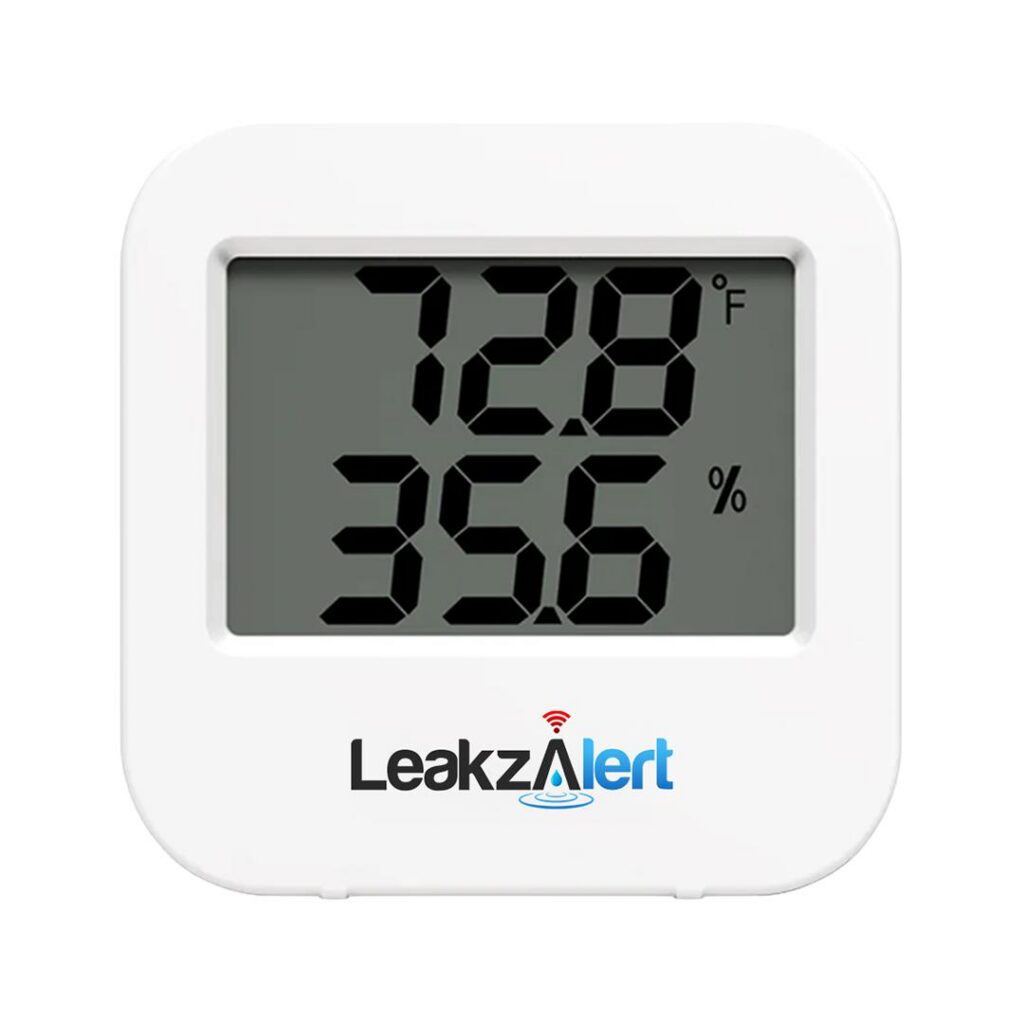
Remote monitoring begins with IoT sensors placed at positions where a water leak or temperature issue is most likely to occur. Based on the property, this can include under sinks, around water heaters, near washing machines, toilets or other vulnerable areas.
When a IoT detects water or a low-temperature condition, the information is sent to the monitoring system. Rather than depending only on an app notification to a homeowner, LeakzAlert’s monitoring service includes human follow-up.
The company’s published service information shows its 24/7 monitoring team receives IoT alerts and contacts the customer by phone. If the primary customer cannot be reached, backup contacts can be notified.
Connectivity in a vacant home
Monitoring depends on power and an internet connection. During a local Wi-Fi or power outage, a LeakzAlert hub can connect through another hub within about a quarter mile, and some properties get a battery hub with built-in internet that runs for 2+ hours. The right setup for your property is confirmed during the free survey.
For properties with a remote shutoff valve that is appropriate, LeakzAlert can close the main water valve remotely when the customer has provided the necessary consent. This is not an automatic shutoff, but the valve is operated only with the customer’s permission.
LeakzAlert monitoring costs $34.99 per month or $359.99 per year, with 4 IoT sensors included on both plans and no installation charge. Add-ons include extra water or temperature sensors, a toilet sensor and a shutoff valve. Your exact setup is confirmed during the free survey.
For homeowners, landlords and rental hosts in Virginia, DC and Maryland, the goal is clear: prepare the vacant home properly, maintain the systems that need to remain active and add monitoring where it makes sense.
FAQ‘s
Should I turn off the water when leaving my home for winter?
Shutting off and draining the plumbing can reduce the amount of water present if a pipe fails, but the correct procedure depends on the home’s plumbing and heating systems. Consult a qualified representative when necessary.
What temperature should I leave my vacant home in winter?
Keep the heat at 55°F or higher, as the Red Cross recommends for homes left empty in cold weather. Check your insurance policy too, because it may set its own minimum temperature for a vacant home.
How do I protect a vacant rental from frozen pipes?
Inspect vulnerable plumbing, insulate exposed piping, protect outdoor faucets, maintain appropriate heat if required and arrange property checks. Water and temperature monitoring can provide an additional layer of awareness while the unit is empty.
Can an Airbnb have a water leak while nobody is there?
Yes. A plumbing fixture, appliance connection or another water source can develop a leak while a short-term rental is between guests. IoT sensors at appropriate risk points can help detect water and alert a monitoring team while the host is away.
Can LeakzAlert shut off the water remotely?
With the appropriate shutoff-valve add-on, LeakzAlert can close the main water valve remotely with the customer’s approval. It is not an automatic shutoff, and remote operation can depend on connectivity, power, equipment and the property’s plumbing configuration.
Book a free survey: https://leakzalert.com/book-a-survey/
List of source links
American Red Cross — Preventing & Thawing Frozen Pipes
Insurance Information Institute — When No One’s Home: Understanding the Role of Vacancy Insurance
LeakzAlert — Book a Free Survey


